
- Jiulong Engineering Team
- 8th August 2026
Thermal Design Basics for EV Charging and Energy Storage Systems
As EV charging power rises and energy storage deployments grow, thermal management has become a defining factor in system reliability. Here is how equipment makers approach cooling in these applications.
Where the Heat Comes From
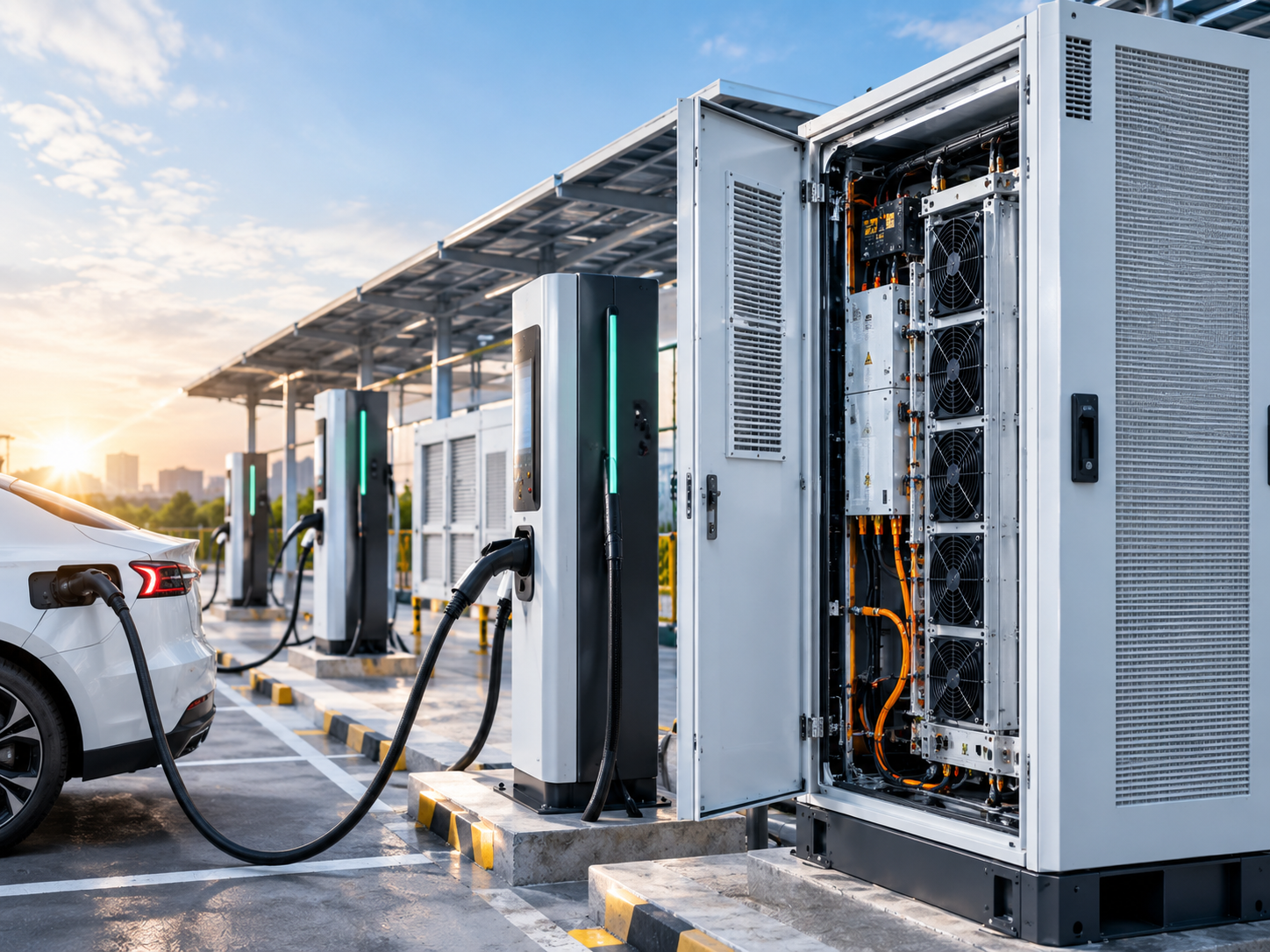
In DC fast chargers, power modules and inductors generate significant heat at high currents. In ESS cabinets, battery racks generate heat during both charge and discharge, and temperature uniformity directly affects battery life and safety.
Airflow Strategy
- Directional airflow: channel air across heat sinks and battery modules rather than relying on general enclosure circulation.
- Front-to-back or bottom-to-top paths: reduce hot spots and recirculation.
- Filtering: outdoor cabinets need dust protection without starving airflow.
Fan Platform Considerations
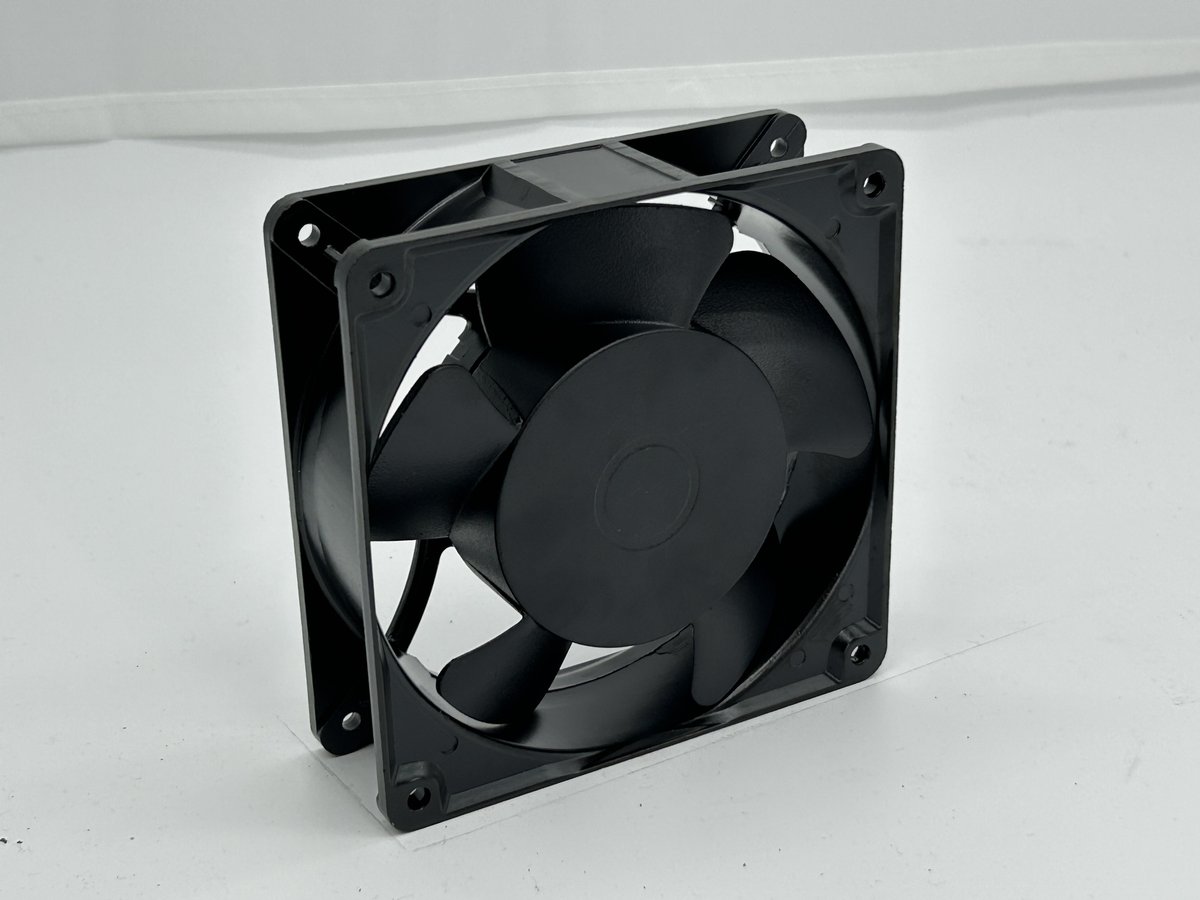
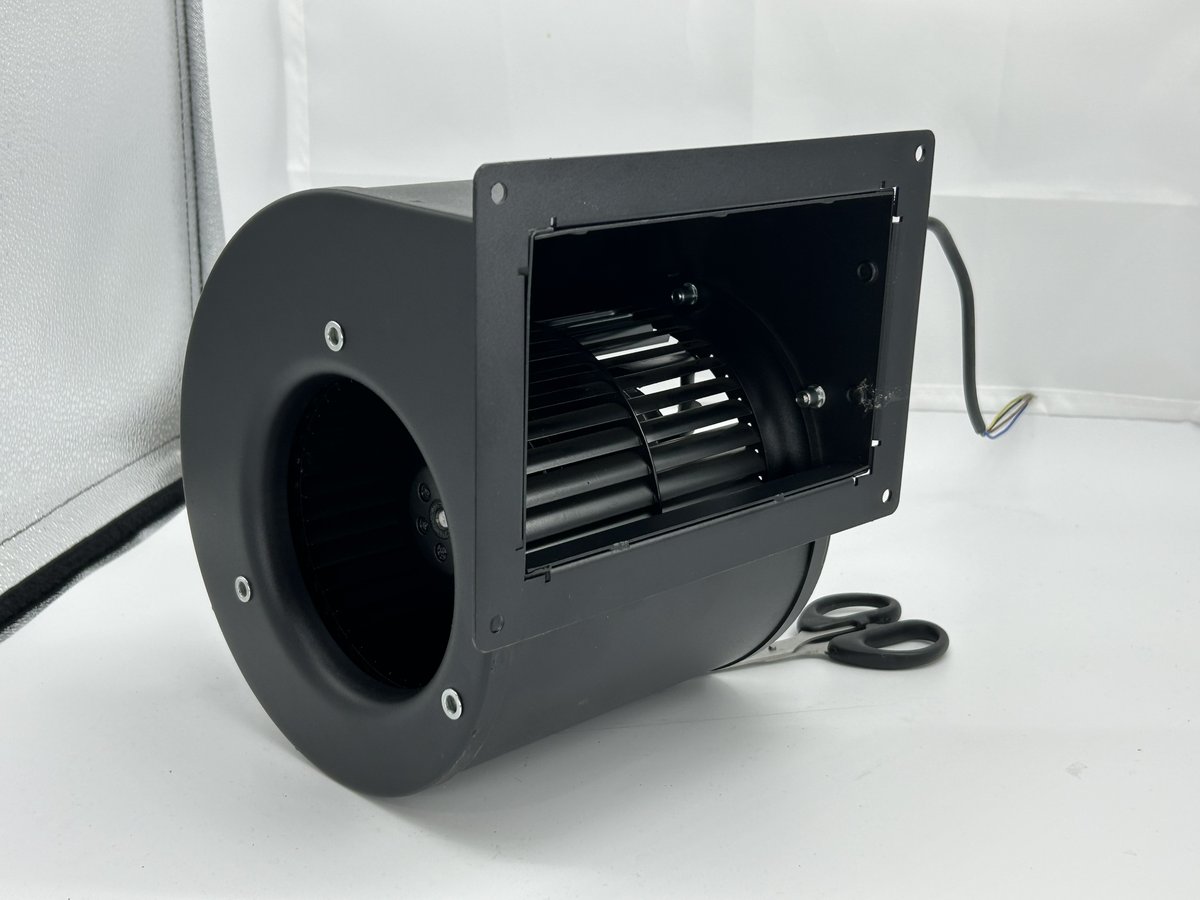
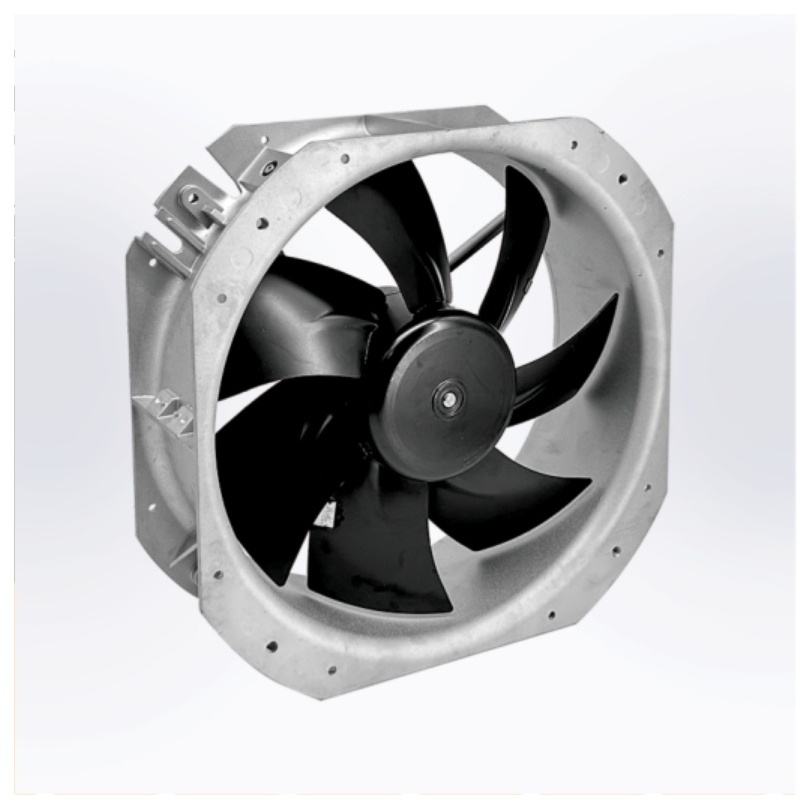
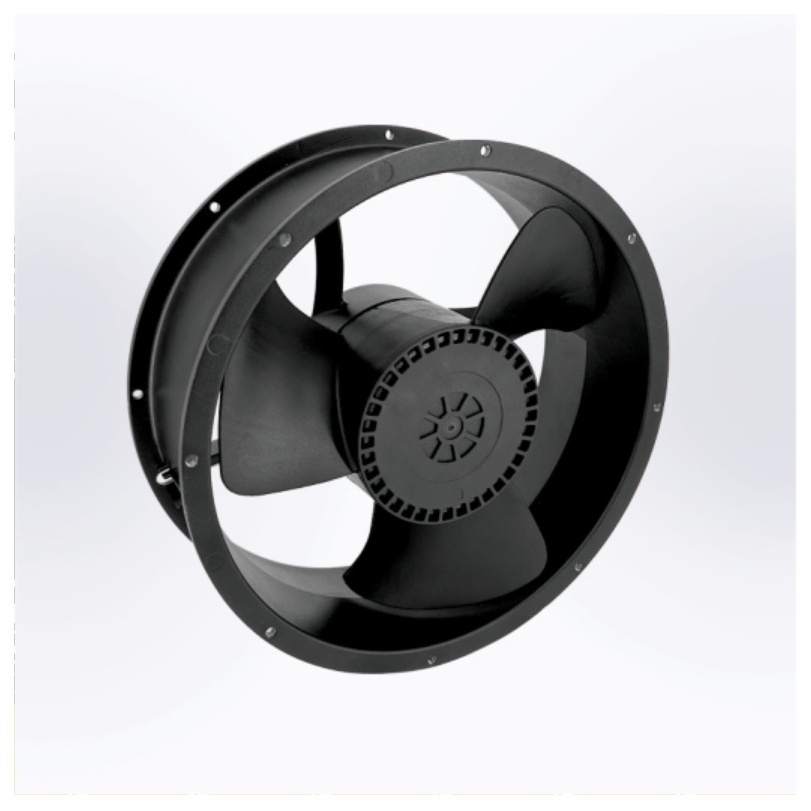
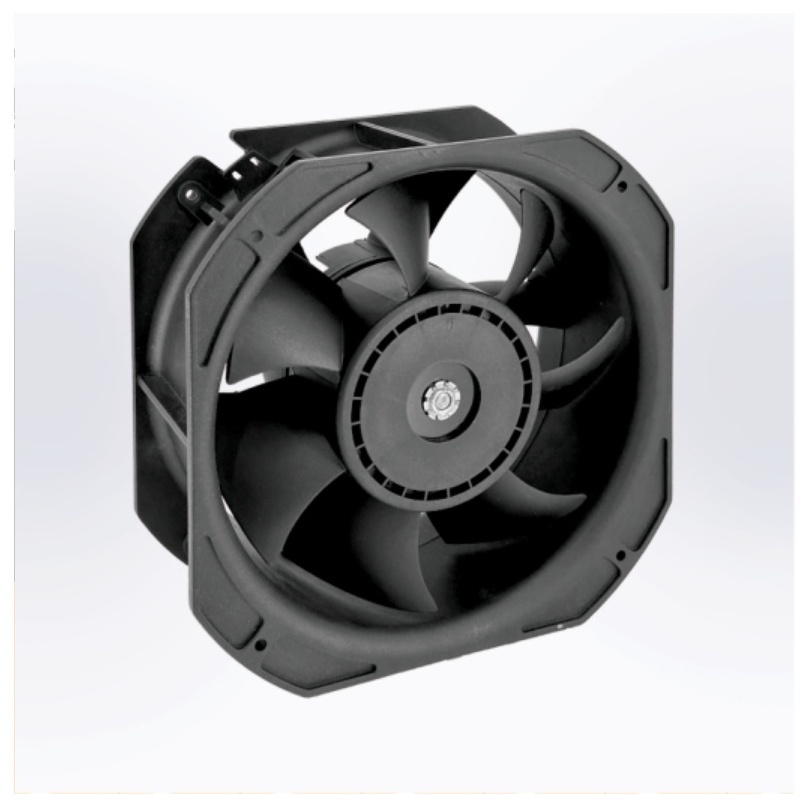
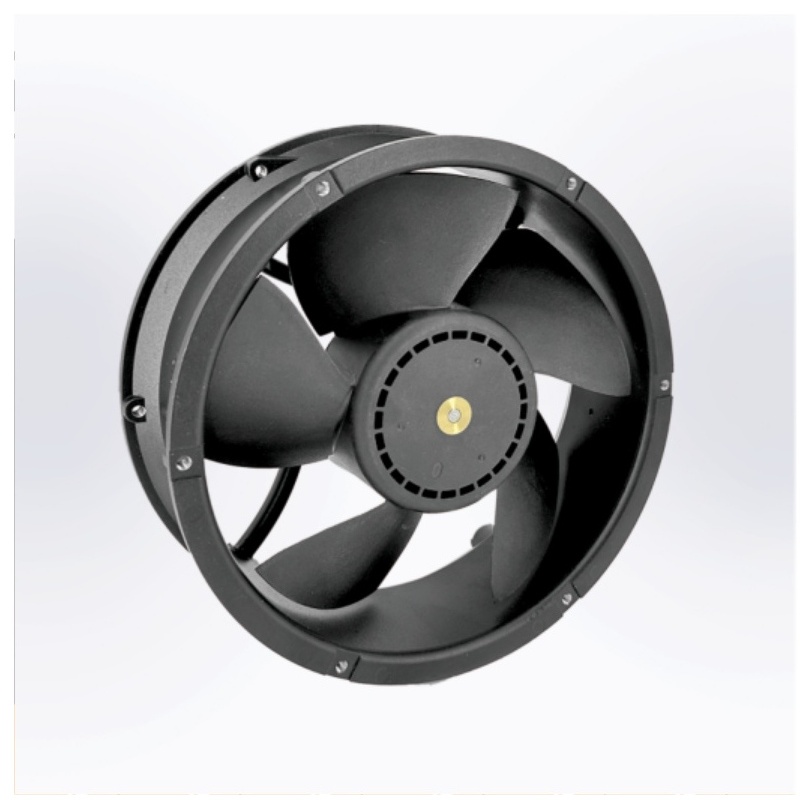
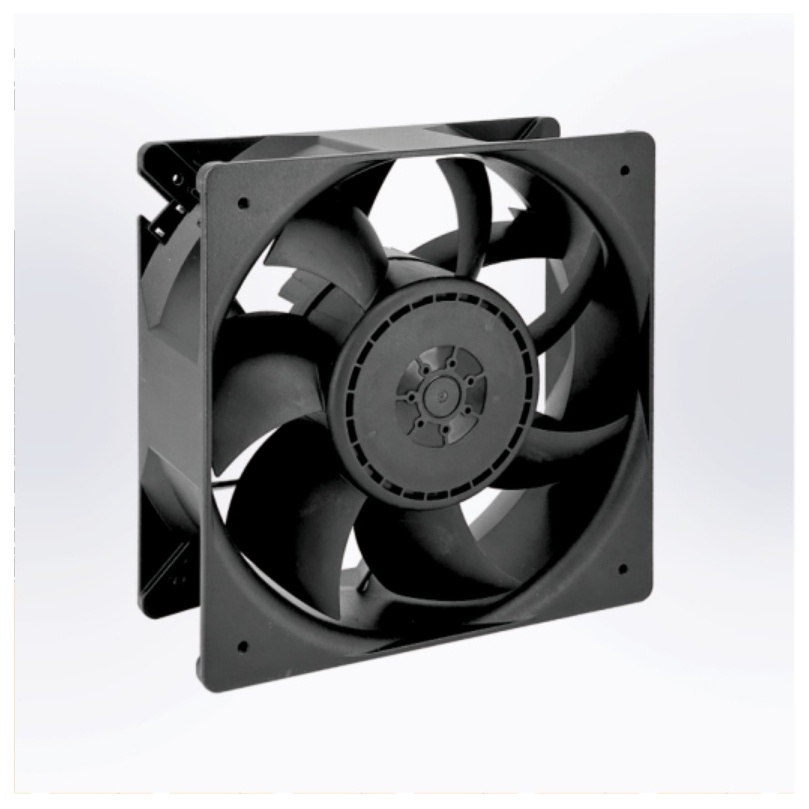
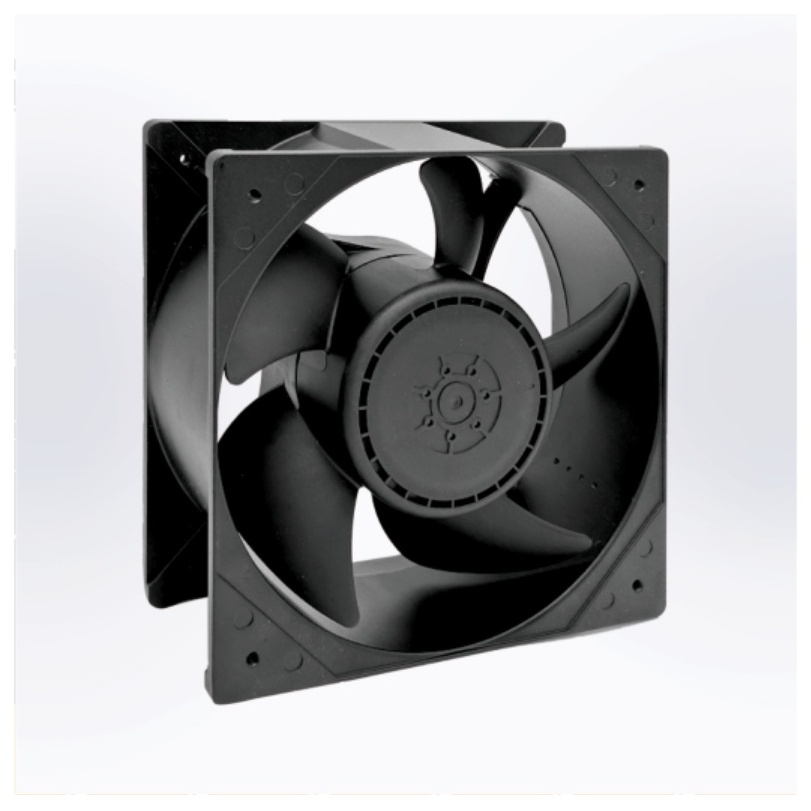
High static pressure is often required to push air through dense components. DC and EC axial fans offer speed control so cooling scales with load; EC platforms add efficiency for continuously running systems. Explosion-proof options may be required in specific battery environments.
Design for Continuous Loads
Charging stations and ESS run for long periods at partial to full load. Select fans with margin on airflow, rated life at realistic temperatures, and monitoring (PWM/tachometer) for predictive maintenance.
Ningbo Jiulong supplies AC, DC and EC fan platforms to charging and ESS equipment manufacturers worldwide. Contact us to discuss your airflow requirements.
 Related


Excellent Service Each and Every Time